
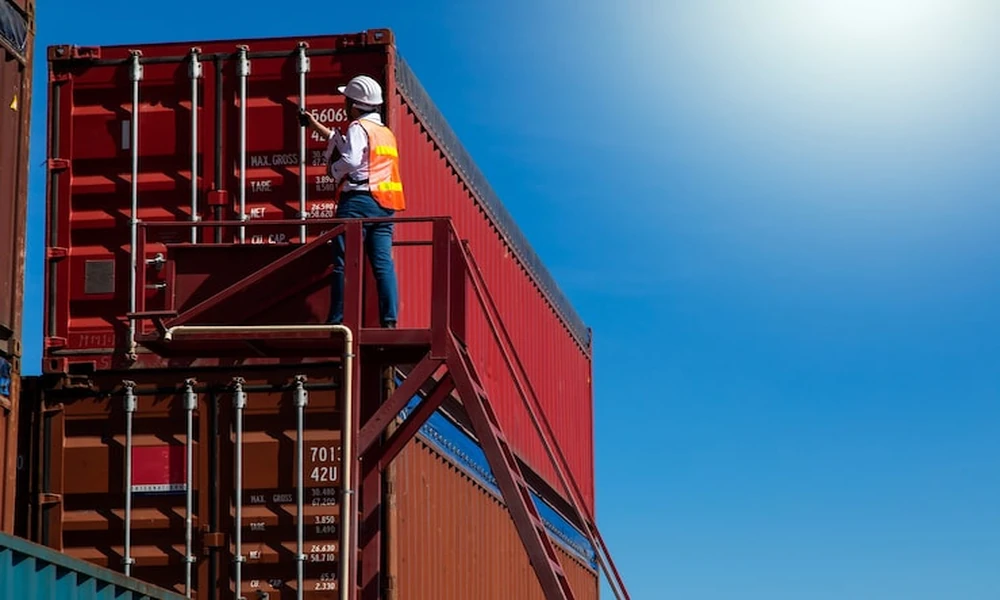
I spend a lot of time helping people choose storage that stays dependable for years. My focus is simple: what keeps your items safe with the least effort and the best return. Modern shipping containers check those boxes across many use cases, from home projects to farm inventory to job sites.
In this guide, I will break down why containers hold up over time, how to set one up for long service life, what size fits your goals, and how to pick a provider that stands behind the product. You will leave with a clear plan and fewer unknowns.
Why Containers Excel for Long-Term Storage
Steel boxes built for ocean travel handle rough treatment, salt air, and weight loads. That same build quality makes them strong storage units on land.
- Heavy-gauge steel walls and doors resist impact
- Corrugated panels and corner posts add structural strength
- Door gaskets keep out wind and water
- Raised door thresholds limit groundwater intrusion
- Rodent-resistant steel and tight seals protect contents
If you need storage that sits outside year-round, a container gives you a hard shell that does not sag, crack, or blow open.
The Core Features That Protect Your Goods
Look for these features if long-term protection is your goal.
- Wind and watertight rating
- Intact door seals and straight door frames
- Lockable steel doors with working locking bars
- Solid floor with no soft spots
- Roof with no standing water or visible bowing
A container with these basics keeps tools, materials, documents, and equipment in stable shape with minimal upkeep.
Setups That Extend Service Life
A few setup choices make a big difference. I suggest you plan for these on day one.
- Elevate the container a few inches on railroad ties or concrete blocks to promote airflow and keep the floor dry
- Place on compacted gravel for drainage and level support at the four corners
- Add passive airflow. Two louvered vents at opposite ends reduce moisture build-up
- Use pallets or shelves to keep items off the floor and allow air to move
- Add desiccant buckets or a small dehumidifier if you store paper goods, textiles, or electronics
- Grease door hinges and locking bar cams during each season change
- Use a high-security puck lock or lock box to reduce tampering
These steps cut down on condensation, rust, and door wear.
Sizing and Layout Choices
Pick the size that fits your site and access plan. Here is how I frame it.
- 20-foot containers
- Compact footprint that fits most driveways and job sites
- Interior about 19 ft 4 in long, 7 ft 8 in wide, 7 ft 10 in high
- Good for home storage, small business stock, tools, and seasonal gear
- 40-foot containers
- Nearly double the space
- Interior about 39 ft 5 in long, 7 ft 8 in wide, 8 ft 10 in high
- Best for large inventory, equipment, and warehouse overflow
For layout, plan a center aisle with shelves along both sides. Keep heavy items low. Mark zones for fast retrieval.
Buying vs. Renting for the Long Haul
I see three smart paths, based on time frame and budget.
- Rent for projects that last months to a few years
- Buy a used unit for budget control if cosmetic marks do not matter
- Buy a one-trip unit if you want clean paint, fresher seals, and long roof life
One-trip means a single voyage from the factory. Used units can serve for many years if they pass a watertight inspection.
Why I Recommend MoCan Containers in Montana
If you are in Montana, MoCan Containers is a strong choice. They maintain one of the largest inventories within a 300-mile radius, which means better selection and faster delivery across Billings, Bozeman, Yellowstone County, Gallatin Valley, Paradise Valley, and much of central and eastern Montana.
Here is what stands out to me about them:
- Every unit is inspected for security, durability, and weather resistance
- New and used options in 20-foot and 40-foot sizes
- Containers are lockable, wind and watertight, and built to handle Montana’s climate
- Clear rental pricing that starts at about $150 per month for 20-foot units and $190 per month for 40-foot units
- Professional tilt-bed delivery and accurate placement
- You can visit the yard and pick the exact unit that gets delivered
- Custom modifications for workshops, offices, garages, and other builds
If you want a dependable provider with local delivery skill and a wide range of choices, they deserve a close look.
Site Prep and Delivery Basics
Make delivery simple and protect the container from day one.
- Provide about 70 feet of clear space for a 20-foot unit and about 100 feet for a 40-foot unit
- Clear overhead lines and tree limbs
- Prepare a level, compacted gravel pad or evenly spaced blocks at the four corners
- Plan truck access with turning room and firm ground
Good prep leads to a stable floor, straight doors, and a longer roof life.
Upkeep That Pays Off
A light routine keeps your container ready for the long term.
- Inspect roof and seals every season
- Touch up paint on surface rust
- Sweep floors and remove cardboard that traps moisture
- Lubricate hinges and locking bars
- Confirm locks work and keys are stored in a safe place
Ten minutes each season saves you from stuck doors and moisture issues later.
What Not to Store
A container is strong, but some items do not belong inside without added controls.
- Fuel, solvents, and compressed gas without approved storage
- Perishables or open food that attract pests
- Live plants or animals
- Items that must stay within a tight temperature or humidity range unless you add insulation and climate control
If you plan to store sensitive goods, ask about insulation, vents, and climate systems during the purchase or rental process.
Quick Planning Checklist
- Choose size: 20-foot for compact sites, 40-foot for maximum capacity
- Decide rent or buy based on timeline and budget
- Inspect for a wind and watertight rating, straight doors, solid floors, clean roof
- Prep a drained, level base and confirm delivery clearance
- Add vents, shelving, pallets, and desiccant for moisture control
- Lock with a high-security puck lock or lock box
- Set a simple seasonal inspection routine
If you want storage that holds up year after year with low fuss, a steel container is hard to beat. With the right setup and a dependable local provider like MoCan Containers, you give your inventory a safe, organized home that stands through tough weather and busy seasons.