
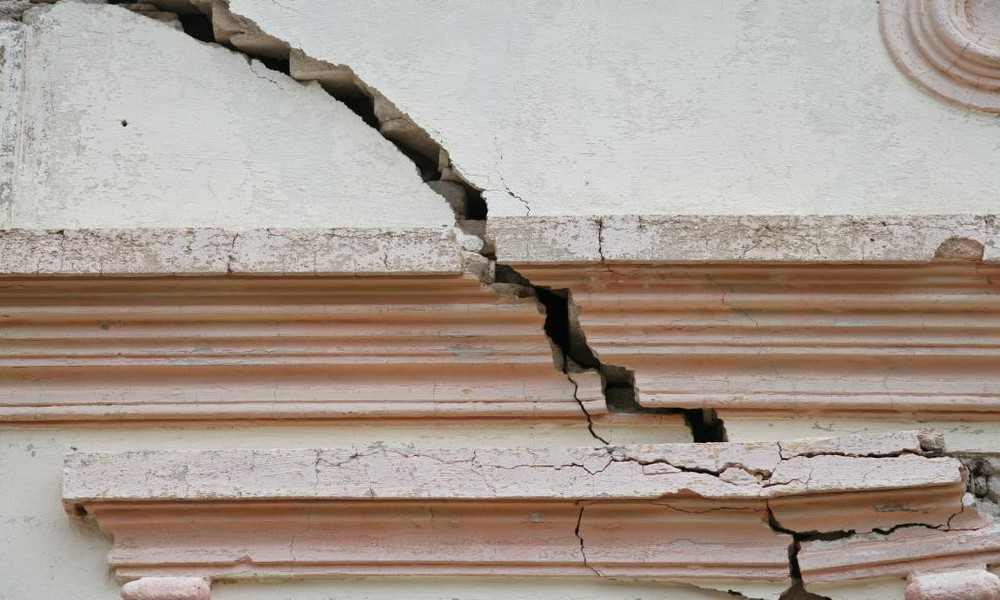
Sometimes it is not obvious at all. You walk through the house every day so small changes blend into routine. A floor that feels slightly off. A door that rubs the frame just a bit. A crack you repaint and forget. None of it feels urgent. Still, when these things keep showing up, the house is quietly telling you something. In many homes, that message eventually leads to House Repiling Auckland as the step that stops the movement before it turns into visible structural damage.
Foundations rarely fail suddenly. They drift. They settle. And the house adjusts around that movement without asking permission.
How ground movement slowly affects older homes
The soil under a house is never frozen in place. Rain soaks in. Dry spells pull moisture out. Drainage patterns change over years. Older homes were built when ground testing was simpler, so movement over time is normal.
When the ground shifts, piles respond differently. One sinks a little. Another stays firm. The house above does what it can to stay upright, and that uneven support slowly works its way upward. It does not feel dramatic. It feels gradual. That slow pace is why so many people live with it longer than they should.
Early warning signs people often ignore
Most warning signs feel harmless at first. A floor that slopes just enough to notice. A door that no longer lines up perfectly. Cracks that return after being filled once or twice.
What matters is repetition. If the same problems keep coming back, the house is not settling anymore. It is reacting. These signs usually mean the support underneath is no longer even, even if the damage still looks small on the surface.
Timber piles weaken over time
Timber piles age quietly. Moisture exposure does its work slowly. Some piles sit in damp soil year after year. Others were installed decades ago using methods that would not meet current standards today.
As timber loses strength, it cannot spread weight evenly anymore. The house compensates without asking. Floors bend slightly. Walls take on stress. Over time, these adjustments show up as movement, cracking, and instability inside living spaces.
Foundation lifting restores balance
Lifting a house is not about making everything look perfect. It is about giving the structure a fair chance to sit evenly again. When a house is lifted, pressure points are reduced across the frame.
Once weight is redistributed, many symptoms calm down on their own. Floors feel steadier. Doors stop fighting you. Cracks often stop growing because the cause has been addressed, not just covered up.
Structural repairs protect future resale value
Foundation issues are hard to hide. Buyers feel uneven floors immediately. Inspectors notice cracks and movement patterns quickly. Even small issues raise questions.
When foundation work has already been done properly, those questions disappear. The house feels solid. Renovations last longer. Buyers see a property that has been cared for rather than one waiting to cause problems later.
Most homeowners wait because the damage does not feel serious yet. That delay is what allows small foundation movement to grow into larger structural trouble. Acting early keeps control in your hands instead of forcing rushed decisions later.
Handled at the right time, House Repiling Auckland is not a reaction to failure. It is a way to stop the quiet movement before it spreads through the rest of the house.
Once the foundation settles into the right position, everything above it starts behaving again. Floors feel right. Doors behave. And the house finally stops reminding you that something underneath was wrong.