
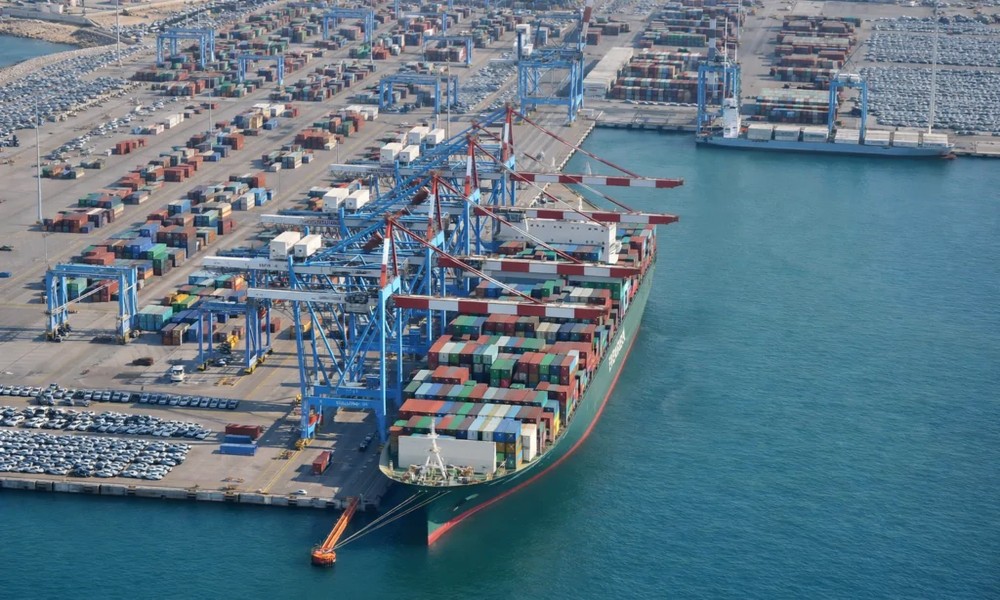
Modern maritime operations require stronger protection across many connected areas. The port & martitime security systems support safer monitoring, controlled access, and faster response activities throughout critical facilities. Security integration helps combine surveillance, communication, inspection, and tracking functions efficiently. Unified protection measures reduce operational gaps while supporting continuous oversight. Strong coordination across several security layers improves reliability during changing operational conditions.
Quick Overview
Security integration connects monitoring tools, access controls, communication channels, and inspection processes within maritime environments. Multiple protection layers work together to improve visibility, reduce risks, and strengthen operational continuity. Coordinated systems support faster decisions while maintaining consistent oversight across sensitive areas.
Why This Matters?
Maritime facilities handle valuable assets, critical shipments, and important infrastructure daily. Strong protection measures support operational continuity while reducing security vulnerabilities. Integrated security environments improve communication between departments and allow quicker detection of unusual activities. Connected monitoring systems help maintain compliance requirements while supporting safer movement of cargo, personnel, and resources. Organizations benefit from greater awareness, improved coordination, and better control across operational zones through effective security integration.
Security Coordination Across Operational Zones
Effective coordination improves communication between monitoring centers and field teams. Shared information creates stronger awareness throughout protected operational areas.
• Central monitoring improves oversight across separated operational sections.
• Unified alerts support quicker action during unusual activities.
• Shared reporting strengthens communication between responsible departments.
• Connected records improve review processes after security events.
• Coordinated responses reduce delays during operational disruptions.
Advanced Monitoring Through Connected Technologies
Modern monitoring tools provide broader visibility throughout critical facilities. Connected technologies improve observation capabilities while supporting operational control.
• Camera networks provide broader coverage across sensitive infrastructure.
• Sensor integration improves detection during unusual operational conditions.
• Automated notifications support immediate awareness of security concerns.
• Data collection strengthens evaluation of ongoing protection activities.
• Continuous observation improves monitoring consistency throughout facilities.
Access Control Supporting Restricted Areas
Controlled entry measures strengthen protection around critical operational sections. Access management helps reduce unauthorized movement across sensitive locations.
• Identity verification improves accountability throughout protected environments.
• Entry permissions support structured movement across designated sections.
• Visitor tracking strengthens oversight during temporary facility access.
• Credential management reduces unauthorized access-related security risks.
• Controlled checkpoints improve monitoring throughout operational boundaries.
Information Sharing Between Security Functions
Information exchange supports stronger awareness across multiple protection activities. Connected communication channels improve coordination during routine operations.
• Shared intelligence improves understanding of developing situations.
• Centralized data access supports informed operational decisions.
• Consistent reporting improves transparency across responsible teams.
• Communication channels reduce delays during incident management activities.
• Integrated records strengthen long term operational assessments.
Risk Management Supporting Facility Protection
Risk management practices help maintain reliable operational security outcomes. Structured assessments support stronger preparation against potential threats.
• Threat evaluations improve awareness regarding possible vulnerabilities.
• Preventive planning supports stronger readiness during disruptions.
• Response frameworks improve coordination during security incidents.
• Ongoing reviews strengthen protection measures across facilities.
• Performance analysis supports continuous improvement initiatives.
The table highlights major components supporting integrated protection environments. Combined functions strengthen oversight while improving operational coordination.
What Benefits Come from Integrated Protection Layers?
Connected security functions improve awareness throughout operational environments. Information moves efficiently between systems while supporting faster decisions. Strong coordination helps maintain consistent protection across sensitive infrastructure locations.
How Can Organizations Improve Security Integration?
Successful implementation requires planning, coordination, and ongoing evaluation activities. Several practices help strengthen integration outcomes.
• Review compatibility before connecting separate security technologies.
• Establish clear procedures supporting coordinated operational responses.
• Maintain regular inspections across connected protection systems.
• Provide workforce training supporting consistent operational standards.
• Evaluate performance metrics through scheduled assessment programs.
What Challenges Affect System Coordination Efforts?
Organizations may encounter compatibility limitations, resource constraints, and implementation complexity. Careful planning reduces obstacles while supporting smoother integration activities. Consistent evaluation helps maintain reliable performance across connected protection functions.
Stronger Protection Ahead
Reliable oversight depends upon coordination, preparation, and continuous improvement efforts. Integrated frameworks help organizations maintain safer operations through connected monitoring capabilities. Effective communication supports better awareness while reducing operational vulnerabilities. Continuous evaluation strengthens performance across changing security requirements. Modern facilities benefit significantly when port & martitime security systems operate together within a unified protection structure.